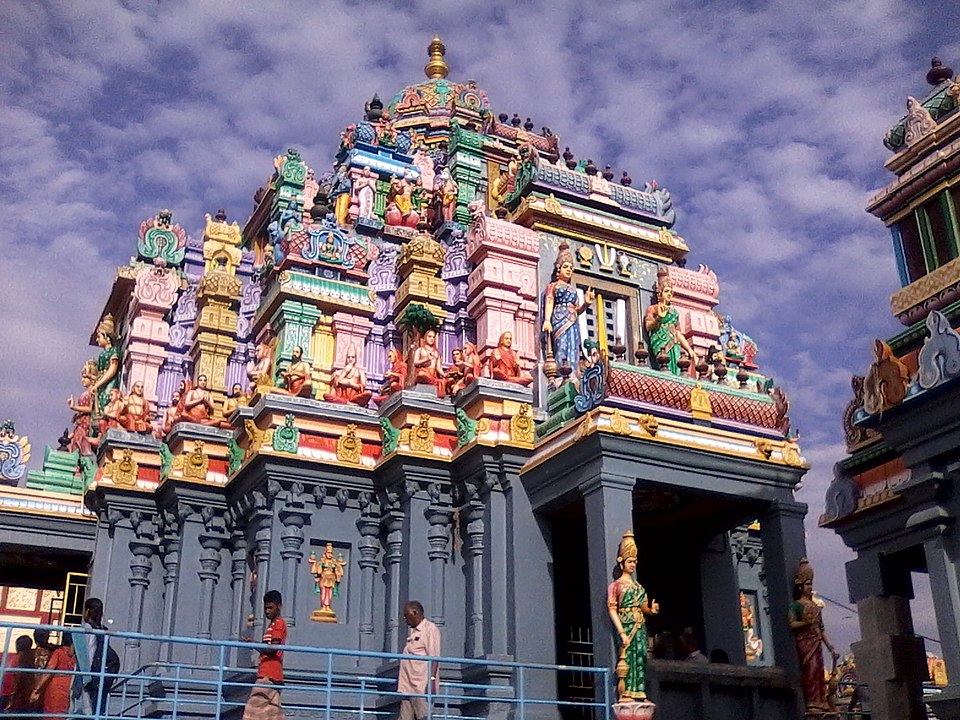
A view of the main shrine in Ashtalakshmi temple which has 4 levels
Ashtalakshmi Temple

Overview

A unique multi-storeyed temple built in 1976 featuring four levels, each dedicated to different manifestations of the Goddess Lakshmi.

‘Ashta’ refers to the number eight; Ashtalakshmi represents the eight forms of Lakshmi that preside over distinct aspects of human life.

The architecture is designed for a spiritual ascent through 8 life dimensions, sequenced as: Food → Courage → Power → Family → Knowledge → Victory → Wealth → Existence.

Things to Know before Visiting

As the temple requires walking upwards across multiple floors to visit all shrines, elderly visitors or those with mobility issues might find it tiring.

Dress modestly and please note that photography is not allowed inside the temple.

While it can get busy on Fridays and weekends, it remains significantly more peaceful compared to other major temples in Chennai.

Recommended to combine this with a visit to Elliot’s (Besant Nagar) Beach or the Marundeeswarar Temple nearby. Ample parking is usually available in the vicinity.

Location

Kalakshetra Colony, Besant Nagar

FAQs

1. Is the temple open throughout the day?

The temple is open every day, but not continuously throughout the day. It generally opens in two sessions — one in the morning and one in the evening. Timings may vary on festival and special ritual days.

2. Is there a Metro Station nearby?

There is no operational Metro Station close to the temple. The nearest rail access is the Thiruvanmiyur MRTS (electric train) station, which is about 1.5–2 Kms away. From there, the temple can be reached by auto or cab.

3. Are non-Hindus allowed to enter the temple?

Yes. Non-Hindus are allowed to enter the temple, provided general temple customs and dress norms are followed.

4. How much time should I plan to spend here?

Most visitors spend 30–60 minutes for darshan and a slow circumambulation.

5. Are special rituals performed here?

Yes. The temple conducts health-focused abhishekams and archana, especially for people with chronic ailments.

6. Is there a specific way to go around the temple?

Devotees usually do a slow clockwise pradakshina around the main shrine as part of the healing tradition.

7. Is herbal or medicinal prasadam given?

Yes. Visitors may receive herbal prasadam or sacred ash, which is traditionally consumed respectfully.

8. Which time of day is best to visit?

Early mornings and late afternoons are the calmest and most comfortable.

9. Are there facilities for elderly visitors?

The temple has wide corridors and flat pathways, but walking distances can feel long.

10. Is this mainly a sightseeing stop or a devotional temple?

It is primarily a devotional and healing-focused temple, though visitors interested in architecture and culture also enjoy it.