St. Mary’s Church Chennai – History, Things to Do & Tips
Famous Church in Chennai which is also The Oldest Surviving British Building in India and the first Anglican Church in India
Overview
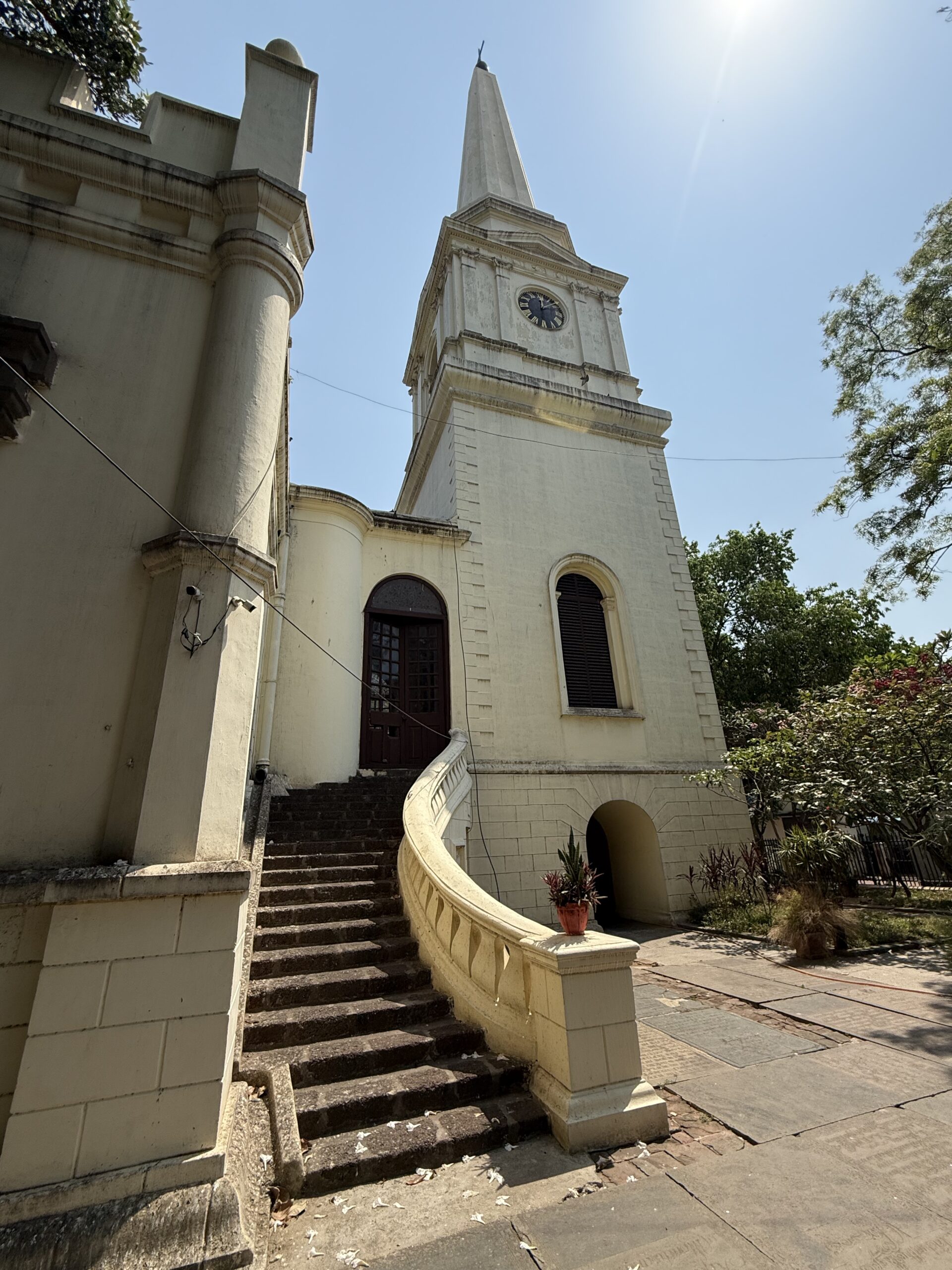
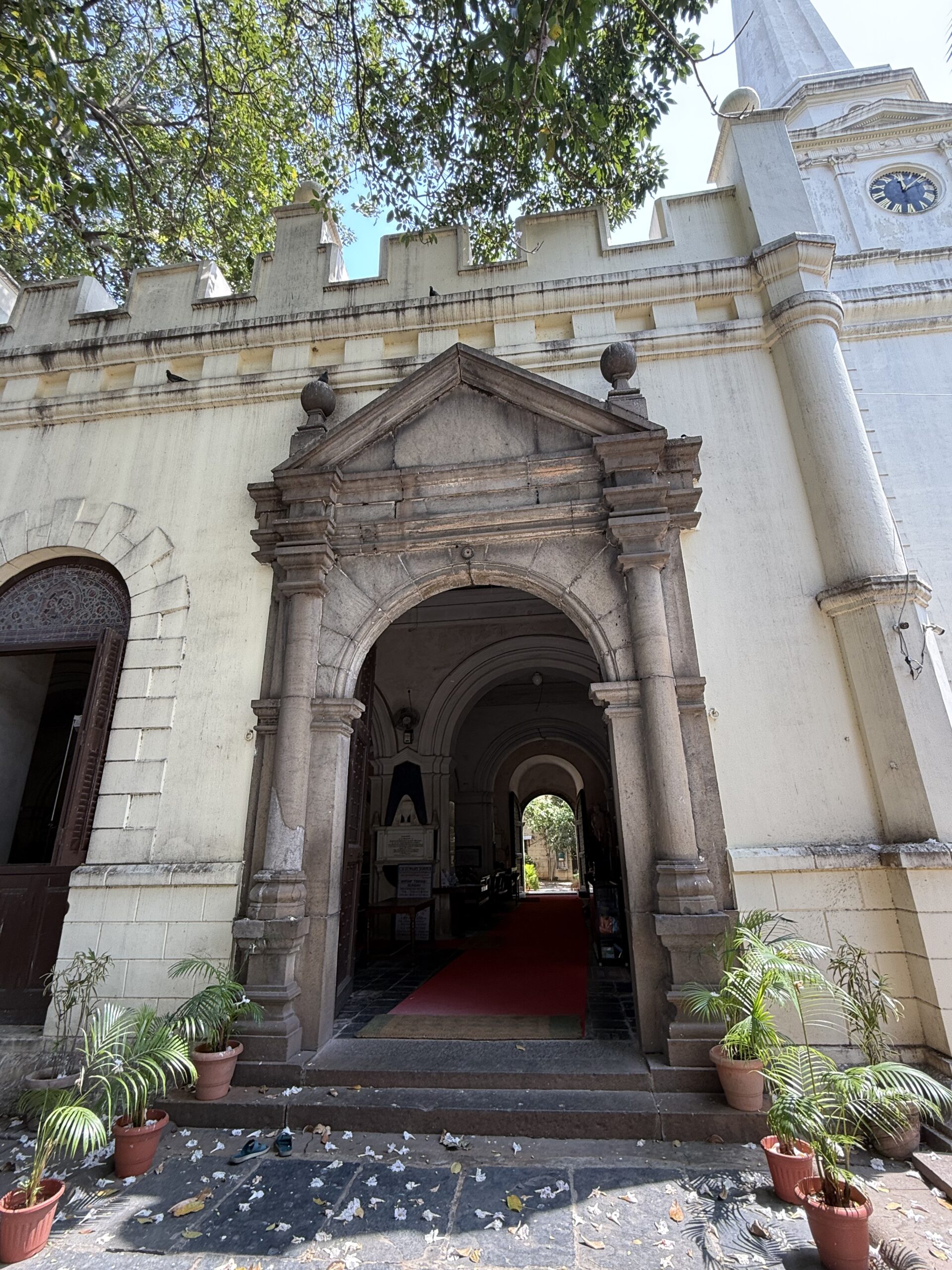
St. Mary’s Church Chennai was one of the first buildings constructed by the British in India, built between 1678 and 1680.
The structure was uniquely designed to be bomb-proof, featuring a specialized roof engineered to bounce off cannonballs.
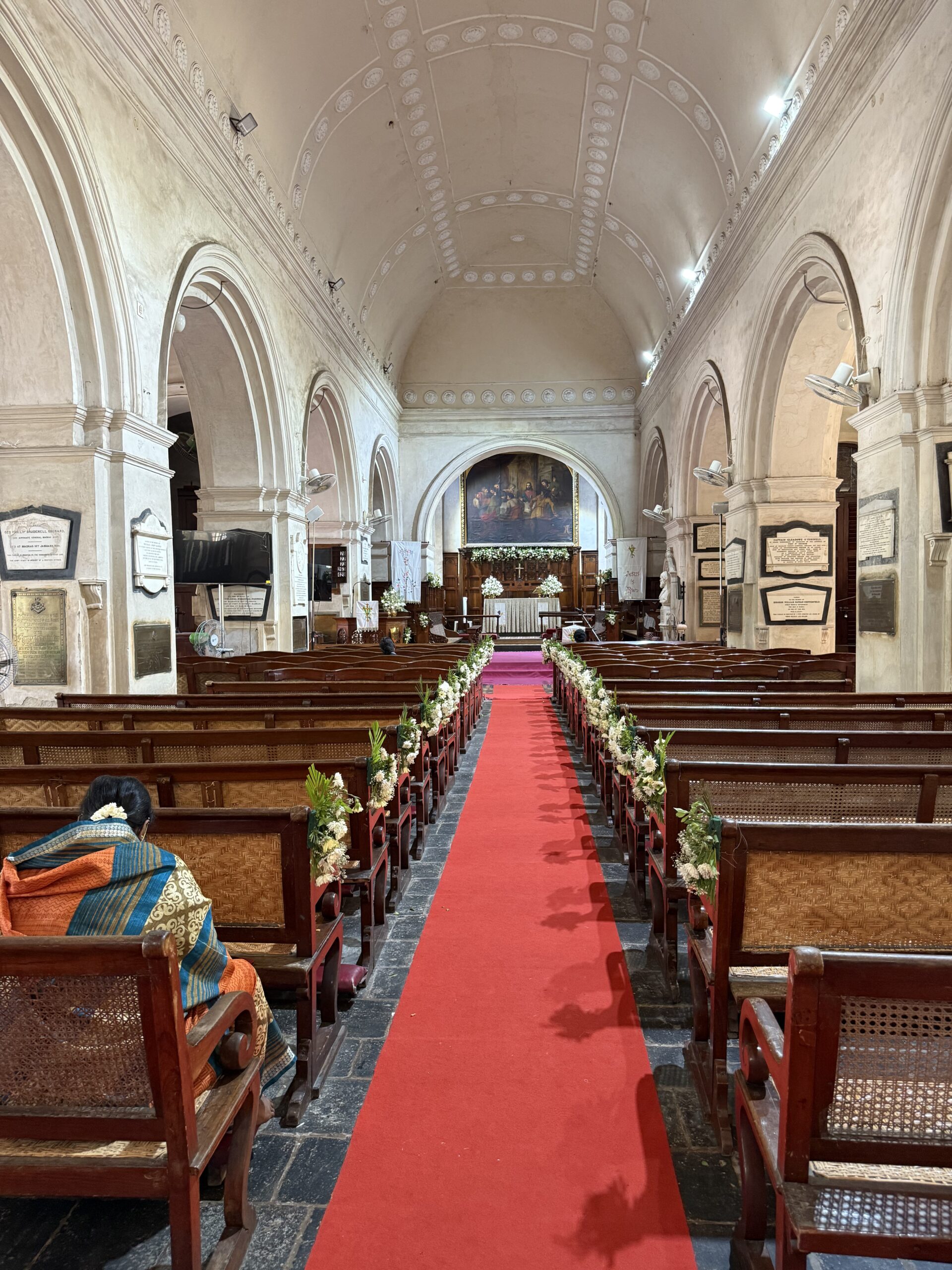
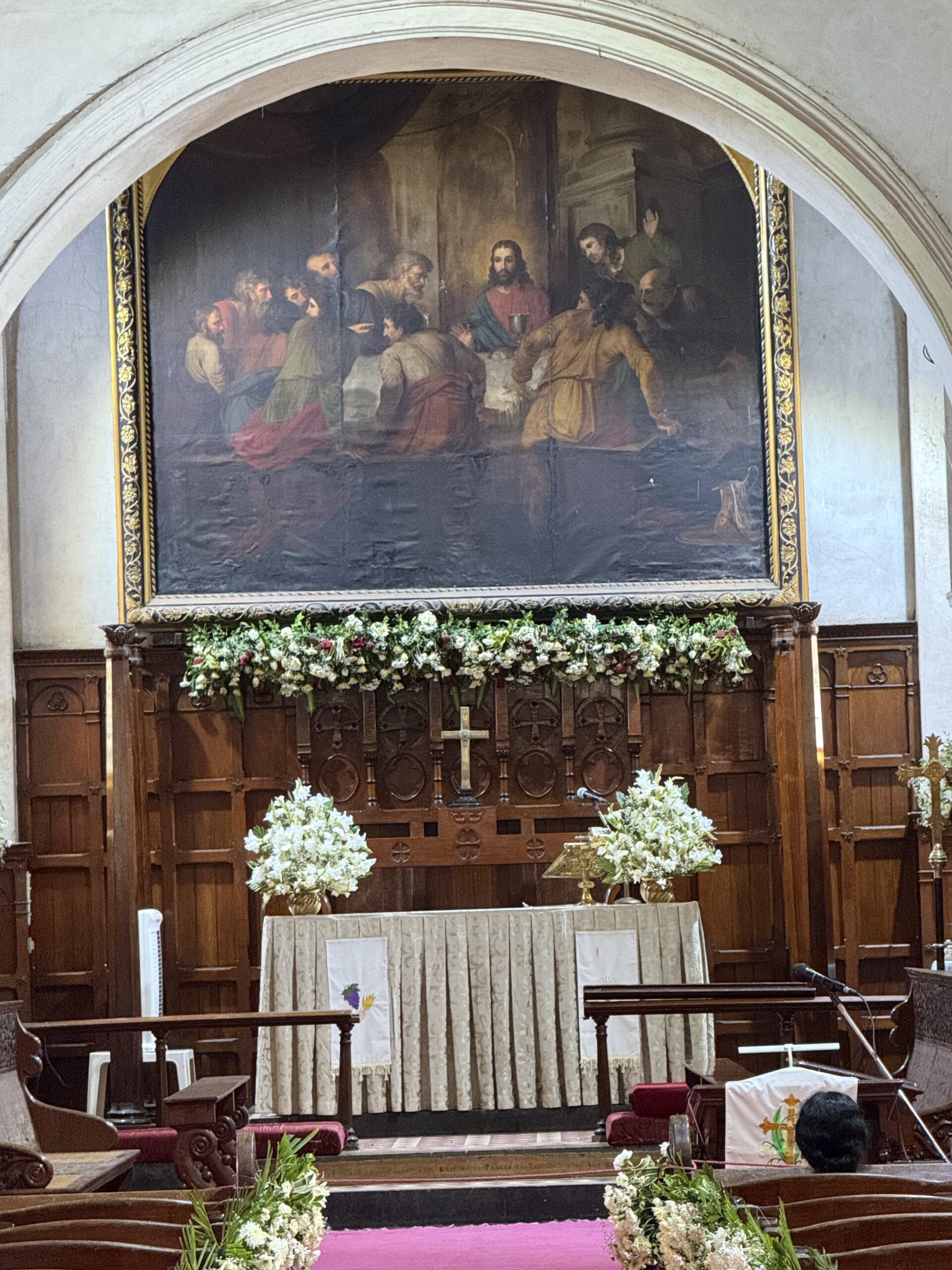
The altar piece depicts the Last Supper, with parts believed to have been painted by the legendary Italian artist, Raphael.
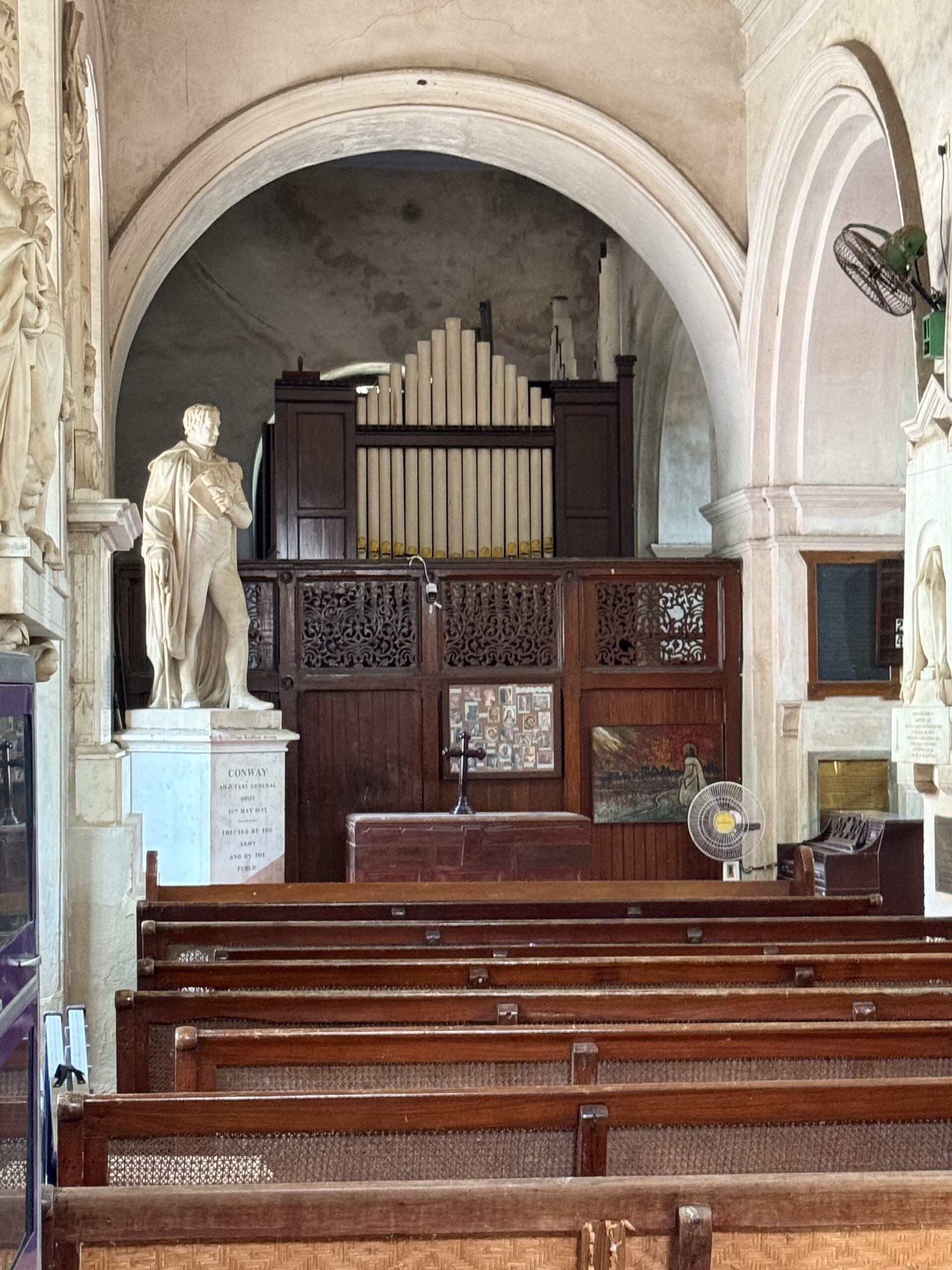
The church serves as a final resting place for former governors of Fort St. George and various British officers and their families.
Tickets and Timings
Timings: 7:00 AM – 5:00 PM
Closed Days: Open Daily
Ticket Price: Free
Know Before You Go
Recommended to combine your visit with the Fort St. George Museum, as both are located within the same historic complex.
Since the compound houses major government offices, carrying a valid Identity Card (Aadhar, PAN, Passport, etc.) is mandatory for security inspection.
Ample parking is usually available just across the road from the fort entrance. Note that private vehicles are generally not allowed to park inside the fort premises.
Location
Fort St. George