
Kapaleeshwarar Temple
Ancient Hindu Temple dedicated to Lord Shiva
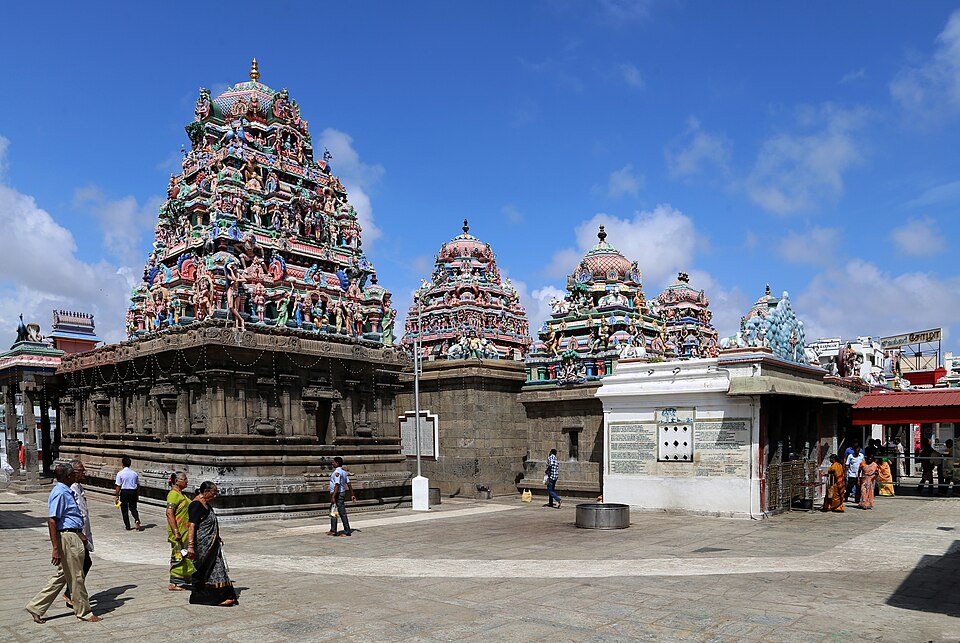
Overview
Generally thought to be built in the 7th Century CE by the Pallavas.
The temple’s 120 ft gopuram (gateway tower) was built during 1906 with stucco figures adorning it.
The temple’s name is derived from the words kapala (head) and Ishvara(meaning ‘Lord’, an allusion to Shiva).
The theppakulam or the temple tank lies to the west of the temple. Known as the Kapaleeshwarar Tank or the Mylapore Tank, it is one of the oldest and well-maintained theppakulams in the city, measuring about 190 m in length and 143 m in breadth.
Parthasarathy Temple
Ancient Vishnu Temple and the only Temple in the World in which Krishna has a Moustache
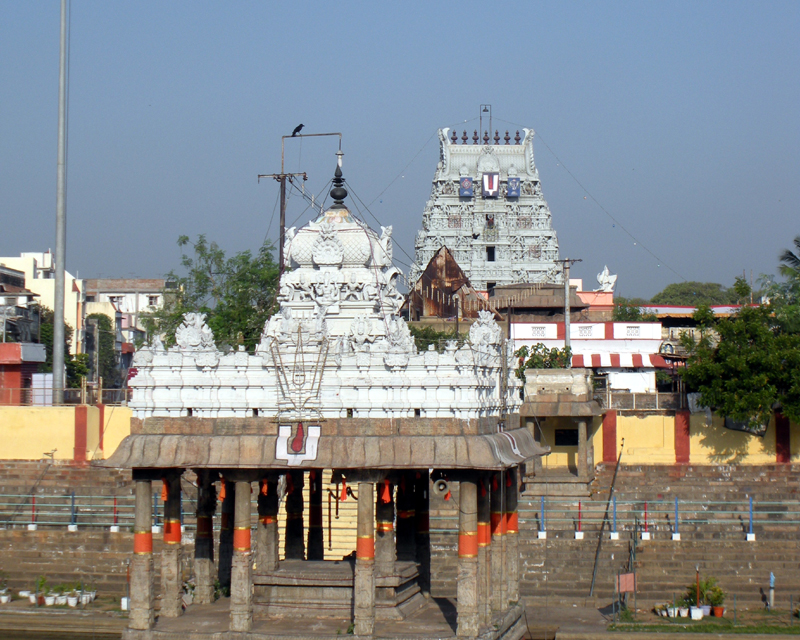
Overview
Built in the 6th Century by the Pallavas and is one of the oldest structures in Chennai.
The name ‘Parthasarathy’ refers to ‘the Charioteer of Arjuna’, referring to Krishna’s (a form of Vishnu) role as a charioteer to Arjuna in ‘Mahabharata’.
Only temple in the World in which Krishna is shown to be sporting a moustache signifying his maturity and adulthood.
Including Krishna, the temple has icons of five forms of Vishnu. The other forms are Yoga Narasimha, Rama, Gajendra Varadaraja and Ranganatha.
Marundeeswarar Temple
Ancient Shiva Temple thought to have healing abilities
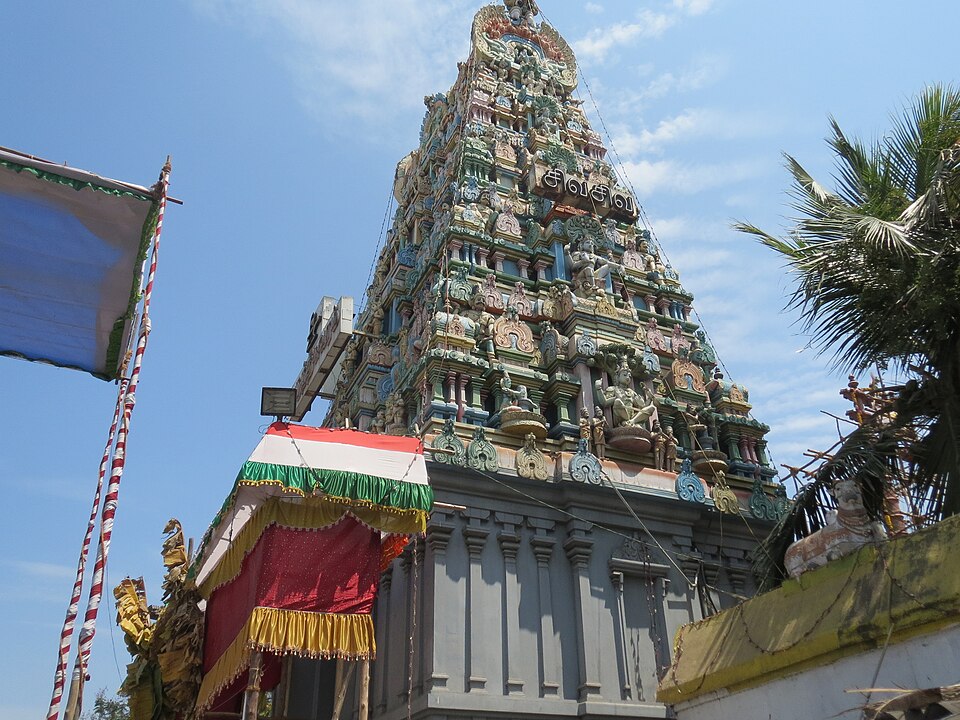
Overview
Generally thought to have been built in the 7th century CE, this ancient temple is dedicated to Shiva in the form of Marundeeswarar—the divine physician and healer.
The main shrine houses three forms of the deity: Tyagaraja, Marundeeswarar, and Nataraja, alongside smaller shrines for Ganesha and Murugan.
It is believed that Sage Valmiki worshipped here; the local area of Valmiki Nagar in Thiruvanmiyur is named in honor of this tradition.
The temple contains powerful Lingams, including one that Hanuman performed Pooja for and another said to have cured a divine curse placed upon Indra.
Ashtalakshmi Temple
First Temple in the World dedicated to the 8 forms of Wealth of Goddess Lakshmi
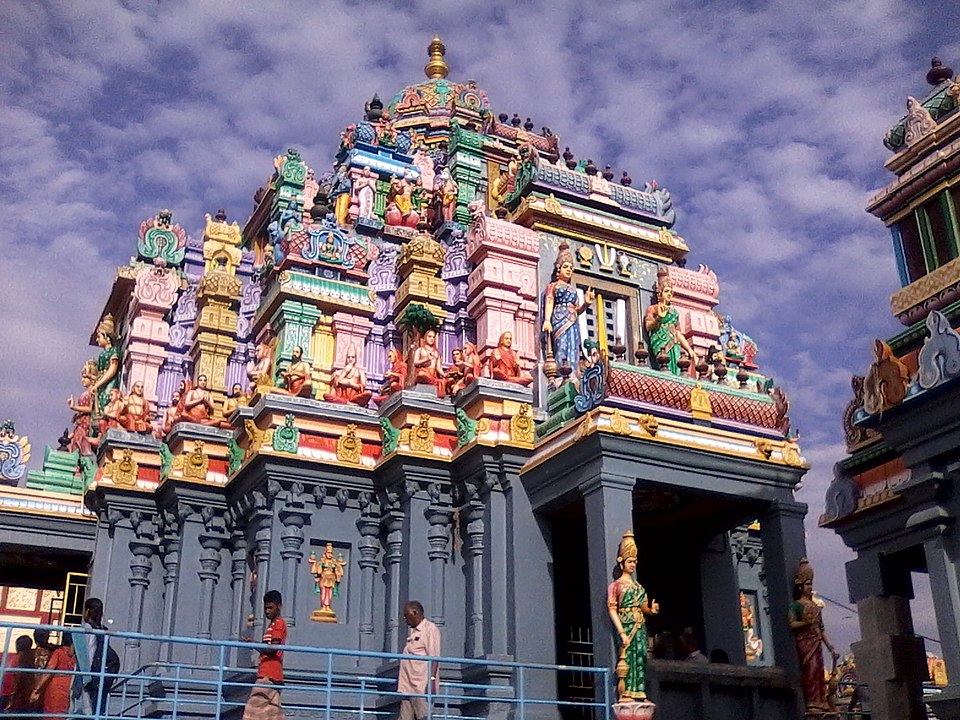
Overview
A unique multi-storeyed temple built in 1976 featuring four levels, each dedicated to different manifestations of the Goddess Lakshmi.
‘Ashta’ refers to the number eight; Ashtalakshmi represents the eight forms of Lakshmi that preside over distinct aspects of human life.
The architecture is designed for a spiritual ascent through 8 life dimensions, sequenced as: Food → Courage → Power → Family → Knowledge → Victory → Wealth → Existence.
Santhome Cathedral Basilica
16th Century Catholic Church built on the tomb of one of Jesus’s apostles
Overview
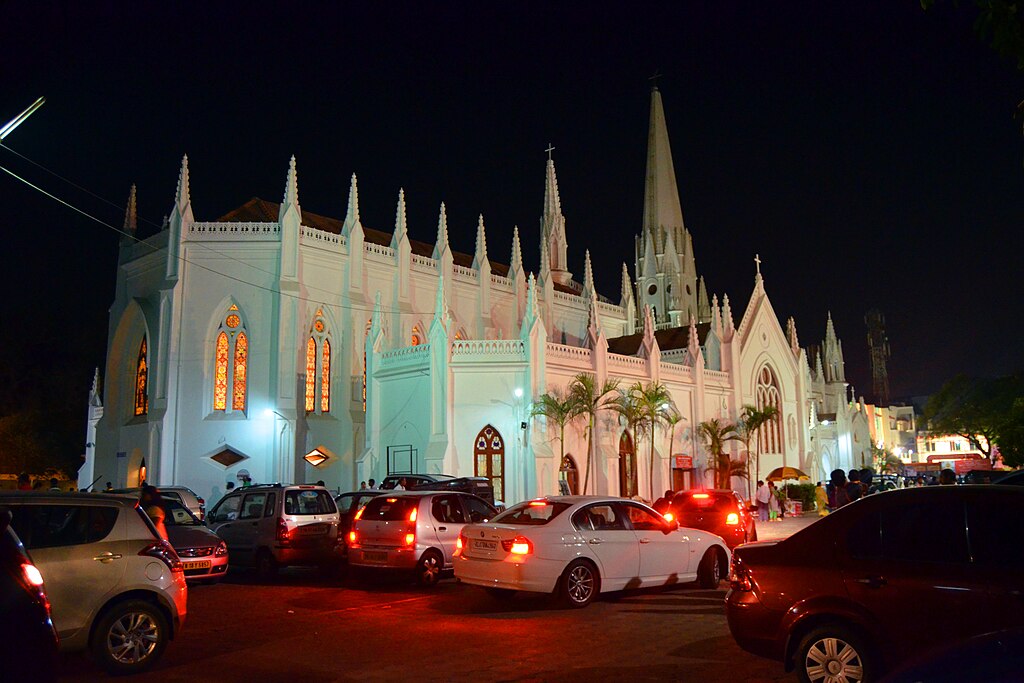
Believed to be built in 1523 AD on the tomb of Saint Thomas, one of the 12 apostles of Jesus.
Renovated in 1896 AD in a stunning Neo-Gothic style by British architects.
The cathedral houses a 200-year-old British pipe organ and sacred relics of the Saint.
St Mary’s Church
The Oldest Surviving British Building in India and the first Anglican Church in India
Overview
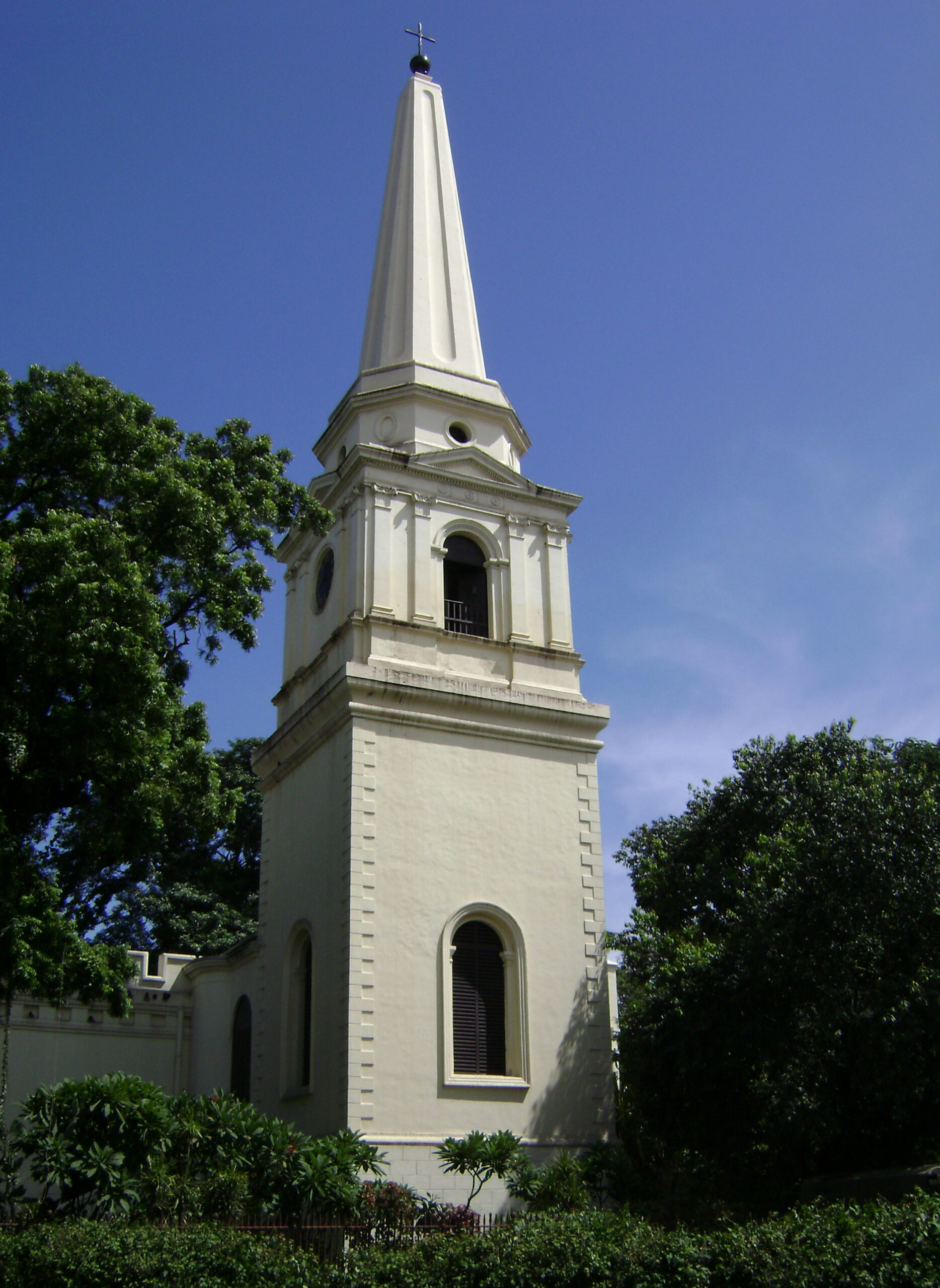
One of the first buildings constructed by the British in India, built between 1678 and 1680.
The structure was uniquely designed to be bomb-proof, featuring a specialized roof engineered to bounce off cannonballs.
The altar piece depicts the Last Supper, with parts believed to have been painted by the legendary Italian artist, Raphael.
The church serves as a final resting place for former governors of Fort St. George and various British officers and their families.
Chinnamalai Shrine / Shrine of Our Lady of Health and St. Thomas the Apostle
One of the Oldest Christian Pilgrimage Sites in Asia with a 2000 year old cave
Overview
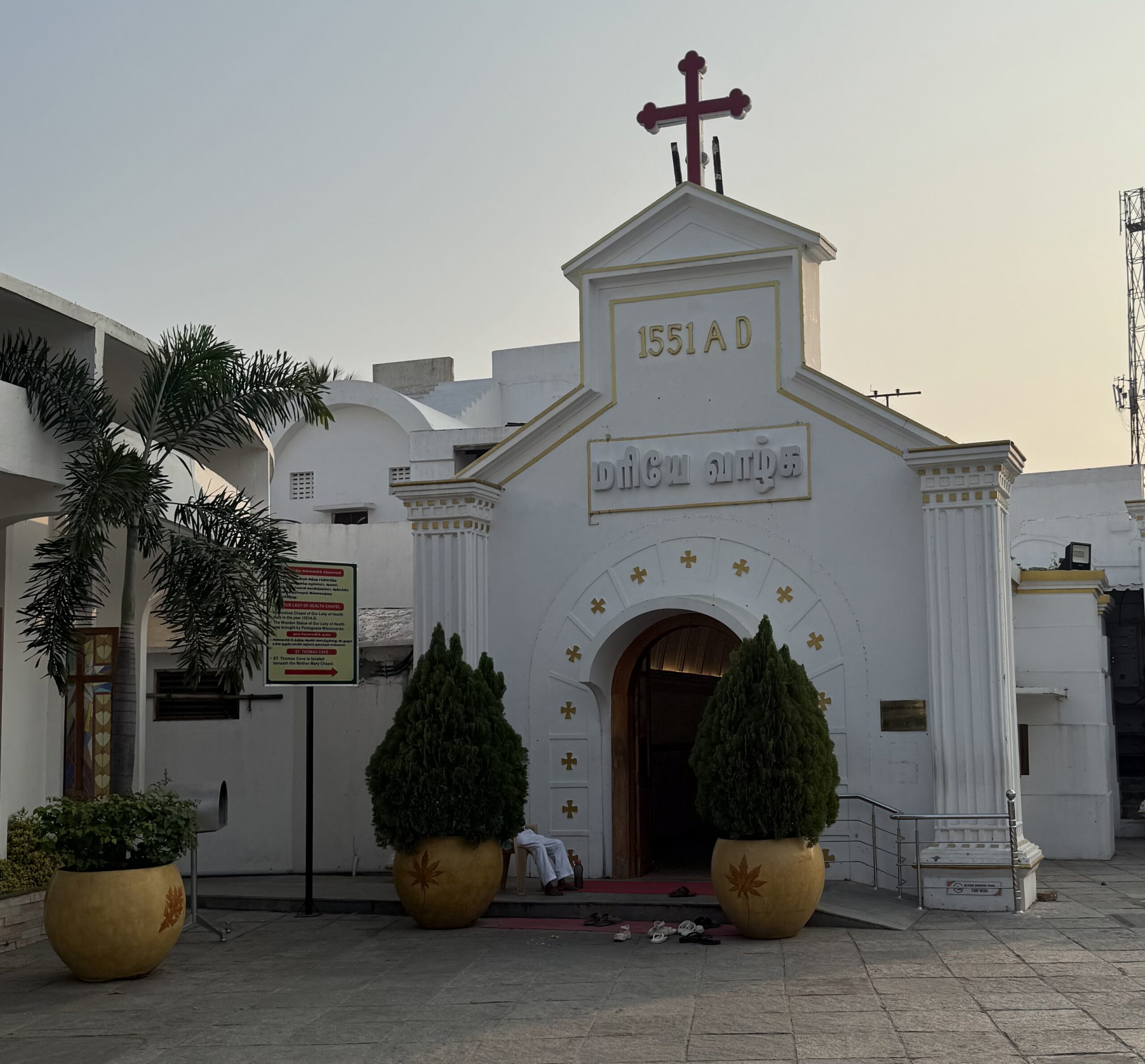
Built by the Portuguese in 1551 AD at Chinnamalai (Little Mount), this site is historically significant as one of the locations where St. Thomas, an apostle of Jesus, lived and preached.
The ‘Our Lady of Health’ church houses an ancient cave believed to date back to 52 AD, where St. Thomas sought refuge from persecution.
The hillock offers a glimpse into the early Christian history of India, blending 16th-century architecture with 1st-century sacred sites.